Emergency carpet cleaning Bermondsey urgent stain removal service
Spills never seem to happen at a calm time. It is usually just before guests arrive, after a busy commute, or when you are already juggling ten other things. A red wine splash, muddy footprint, pet accident, or coffee spill can sink into carpet fibres fast, and once it does, panic creeps in. That is exactly where Emergency carpet cleaning Bermondsey urgent stain removal service becomes useful: quick, focused help designed to limit damage, lift stains before they set, and get the room back to normal as soon as possible.
If you live or work in Bermondsey, speed matters. Carpets in flats, shared homes, offices, and rental properties can go from fine to frustrating in a minute. This guide explains what emergency carpet cleaning really involves, how urgent stain removal works, what to expect, and how to make sensible decisions under pressure. You will also find practical steps, mistakes to avoid, and a clear checklist you can use straight away.
Table of Contents
- Why Emergency carpet cleaning Bermondsey urgent stain removal service Matters
- How Emergency carpet cleaning Bermondsey urgent stain removal service Works
- Key Benefits and Practical Advantages
- Who This Is For and When It Makes Sense
- Step-by-Step Guidance
- Expert Tips for Better Results
- Common Mistakes to Avoid
- Tools, Resources and Recommendations
- Law, Compliance, Standards, or Best Practice
- Options, Methods, or Comparison Table
- Case Study or Real-World Example
- Practical Checklist
- Conclusion
- Frequently Asked Questions
Why Emergency carpet cleaning Bermondsey urgent stain removal service Matters
Carpet stains are time-sensitive. The longer a spill sits, the more likely it is to bond with fibres, seep into the backing, or spread under pressure from shoes and cleaning attempts. That is why emergency response is different from a routine clean. The aim is not just to make the carpet look better for a moment. It is to reduce lasting damage, odour, and the chance of permanent marking.
In Bermondsey, that urgency is often practical. Many homes and workplaces are compact, busy, and used hard. A stain in a hallway or living room can affect the feel of the whole property. In a rental flat, it can also become a deposit problem. In a customer-facing space, it can make a place look unkempt before the day has even properly started. Not ideal, to put it mildly.
Emergency carpet cleaning also matters because different stains behave differently. A fresh tea spill is not the same as paint, blood, pet urine, or grease. Some stains respond well to gentle extraction, while others need careful pre-treatment and the right temperature control. Get that wrong and you can set the stain, spread it, or leave a sticky residue that attracts more dirt.
Practical takeaway: fast action matters, but the right action matters more. Blotting, isolating the area, and using the correct method can make the difference between a manageable stain and a permanent mark.
How Emergency carpet cleaning Bermondsey urgent stain removal service Works
An urgent carpet cleaning call usually follows a simple but careful process. Good technicians do not just blast the spot with water and hope for the best. That would be, well, a bit daft. The better approach is structured, starting with identification and ending with controlled drying.
1. Assess the stain and fibre type
The first step is to understand what caused the stain and what the carpet is made from. Wool, synthetic blends, and delicate pile types all react differently to moisture, agitation, and cleaning agents. A professional will usually ask what spilled, how long ago it happened, and whether anything has already been applied.
2. Choose the safest treatment
Once the stain is identified, the cleaner selects a suitable pre-treatment. This might involve a solvent, an enzyme-based product for organic matter, or a mild detergent solution. The aim is to break the stain down without damaging fibres or dyes. On coloured carpets, this step is especially sensitive.
3. Lift the stain with controlled extraction
Hot water extraction, targeted spot cleaning, or low-moisture methods may be used depending on the situation. In urgent cases, the goal is often localised treatment first, rather than cleaning the entire room straight away. That helps contain the problem and limits downtime.
4. Rinse and neutralise if needed
Leftover chemicals can create re-soiling or stiffness. A good service will rinse the treated area where appropriate and restore a balanced finish. This is one reason emergency cleaning tends to look better and last longer than DIY attempts with supermarket sprays.
5. Dry and protect the area
Faster drying is important, especially in busy homes and businesses. Fans, ventilation, and fibre-safe moisture control help reduce the risk of lingering damp smells or mould growth. In a Bermondsey flat on a wet evening, that matters more than people think.
If the stain is severe, the technician may advise a follow-up visit. Some marks fade in stages, and a second pass can improve the result after the carpet dries fully.
Key Benefits and Practical Advantages
The value of emergency cleaning goes beyond appearance. Yes, a clean carpet looks better, but the real gain is preserving the carpet and reducing stress. There is enough going on in a messy situation without adding a ruined floor covering to the list.
- Faster stain response: Urgent treatment reduces the time a stain has to bond with fibres.
- Better chance of full removal: Fresh spills are generally easier to treat than set-in marks.
- Reduced odour: Especially useful after food spills, pet accidents, or moisture-related issues.
- Less fibre damage: Correct products and techniques avoid harsh scrubbing or colour loss.
- Lower risk of spreading the stain: A measured process prevents the mark from becoming larger.
- Improved presentation: Important for homes, rentals, offices, and guest accommodation.
- Peace of mind: When time is short, knowing someone is dealing with it properly is a relief.
There is also a practical financial angle. Replacing a carpet is far more disruptive and expensive than cleaning it early. Even when a stain does not disappear completely, professional intervention often improves the result enough to avoid replacement. That can be a very decent outcome, truth be told.
Who This Is For and When It Makes Sense
Emergency carpet cleaning is not only for dramatic accidents. It is for anyone who needs a quick, sensible response before a problem settles in. That can be a homeowner trying to save a lounge carpet before visitors arrive, or a landlord needing to reduce visible damage before a tenancy inspection. It can also be a shop, office, or holiday let where appearance affects trust.
Here are the most common situations:
- Homes and flats: Spilled drinks, mud, makeup, food, and pet messes.
- Rental properties: End-of-tenancy issues, deposit concerns, and sudden stains before viewings.
- Offices: Coffee spills, tracked-in dirt, and lunch mishaps in shared spaces.
- Hospitality and short lets: Guest-caused stains that need quick turnaround.
- Families with children: Everyday accidents that seem to happen at the worst possible time.
- Pet owners: Urine, vomit, and odour issues that need prompt treatment.
It makes sense when the stain is fresh, visible, and likely to worsen if ignored. It also makes sense when you have already tried blotting and the stain remains, or when the affected area is large enough to feel like a proper job rather than a quick dab with kitchen roll. Which, let's be honest, only goes so far.
Step-by-Step Guidance
If you are waiting for help or trying to decide what to do first, use this simple process. It is designed to reduce damage without making the situation worse.
Step 1: Act quickly, but do not rush blindly
Get to the stain straight away. The first minute or two matter. But do not scrub hard. Hard rubbing pushes the stain deeper and can rough up the fibres.
Step 2: Remove solids carefully
If there is food, mud, or any solid residue, lift it gently with a spoon or dull edge. Work from the outside in. Avoid pushing it further into the pile.
Step 3: Blot, do not grind
Use a clean white cloth or paper towel to blot liquid from the outside toward the middle. Apply pressure, then lift. Repeat with a dry section each time.
Step 4: Keep the area controlled
Stop foot traffic. If possible, place a clean towel over the spot and keep people and pets away. This sounds obvious, but one stray shoe can turn a small stain into a broad, dull patch.
Step 5: Avoid random products
Do not keep testing different sprays one after another. Mixing products can set stains or create new ones. If you are unsure, leave it and wait for proper advice.
Step 6: Tell the cleaner exactly what happened
Be specific. Coffee with milk is not the same as black coffee. Dog urine is not the same as water. The more accurate the information, the more effective the treatment is likely to be.
Step 7: Allow proper drying time
Once cleaned, let the area dry fully before replacing furniture or walking on it heavily. If you rush this stage, the stain may wick back up from below. That annoying little reappearance is more common than people expect.
If you need broader support beyond the spot itself, a general carpet cleaning service can help restore the rest of the room after the emergency is handled. In homes with pets, the specialised pet stain odour removal option can be especially useful when smell is part of the problem as well.
Expert Tips for Better Results
A few small choices can dramatically improve your chances of getting the stain out cleanly. These are the details that often separate a decent outcome from a frustrating one.
- Blot from the outer edge inward. This keeps the stain from spreading.
- Use white cloths only. Coloured cloths can transfer dye, especially when damp.
- Test products in a hidden spot first. Every carpet behaves a little differently.
- Work gently. Too much force can fuzz the pile and leave a visible patch even after the stain is gone.
- Keep notes on what spilled. Sounds odd, but this helps if a follow-up treatment is needed.
- Ventilate the room. Fresh air helps drying and reduces lingering smell.
- Be patient with stubborn stains. Some stains improve in stages rather than all at once.
In our experience, people often over-clean the same area. They mean well, of course. But too much moisture can create a darker ring around the original stain, which is frustrating on a Monday morning and even more frustrating on a Friday evening.
One helpful rule: if you have already blotted and the stain is still there, stop escalating with household chemicals. That is usually the point where professional help starts to make sense.
Common Mistakes to Avoid
Most stain disasters are not caused by the spill itself. They are caused by the first reaction afterwards. That is the bit people rarely admit, but it is true.
- Scrubbing aggressively: This damages fibres and can spread the stain.
- Using too much water: Over-wetting can push the stain deeper and affect the underlay.
- Applying bleach or harsh chemicals: These can strip colour or weaken fibres.
- Mixing cleaning products: A risky habit and often unnecessary.
- Ignoring drying: Damp carpet can smell, attract dirt, or develop a recurring mark.
- Waiting too long: The longer a stain sits, the harder it is to remove cleanly.
- Assuming all stains are the same: Different stains require different treatment methods.
One small but common mistake is trying to "see if it comes out" by rubbing the area dry with a towel. That usually just spreads the stain and gives you a bigger headache. Better to blot lightly and stop.
Tools, Resources and Recommendations
You do not need a cupboard full of gadgets to deal with an emergency. In fact, fewer tools used well is usually the better approach. If you are waiting for a technician or handling a minor fresh spill, these items are sensible to have nearby:
- Clean white microfibre cloths
- Plain paper towels
- A spoon or blunt scraper for solids
- A small bowl of cool water for light blotting
- Disposable gloves if the stain is messy or unhygienic
- A fan or open window for ventilation
- Masking tape or a chair to keep people off the area
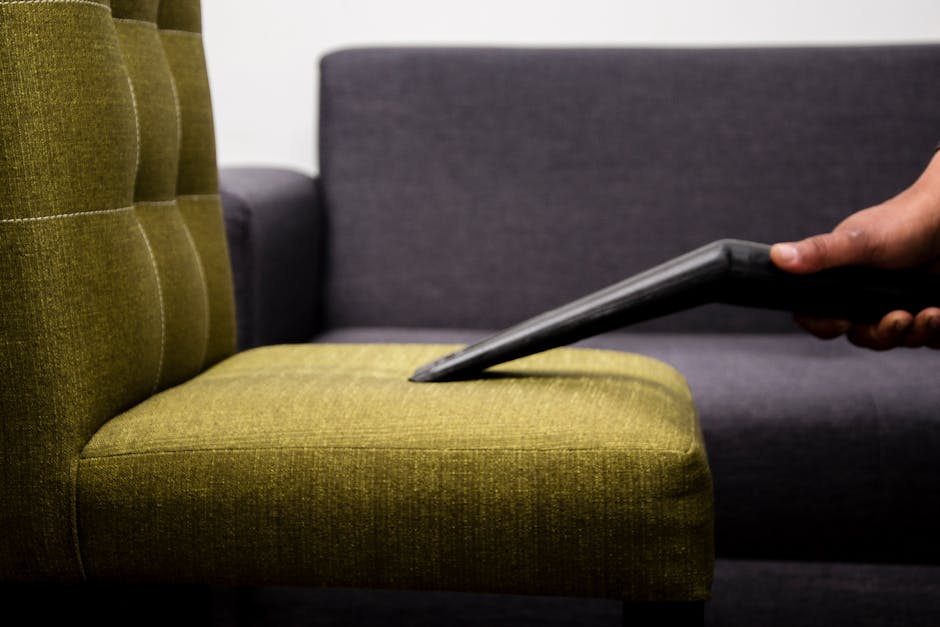
For more routine upkeep after the urgent issue is dealt with, services such as steam carpet cleaning can be a strong choice for deeper soil removal when carpets need a broader refresh. If the same room also includes upholstery that picked up splashes or marks, upholstery cleaning may help the whole space feel properly reset.
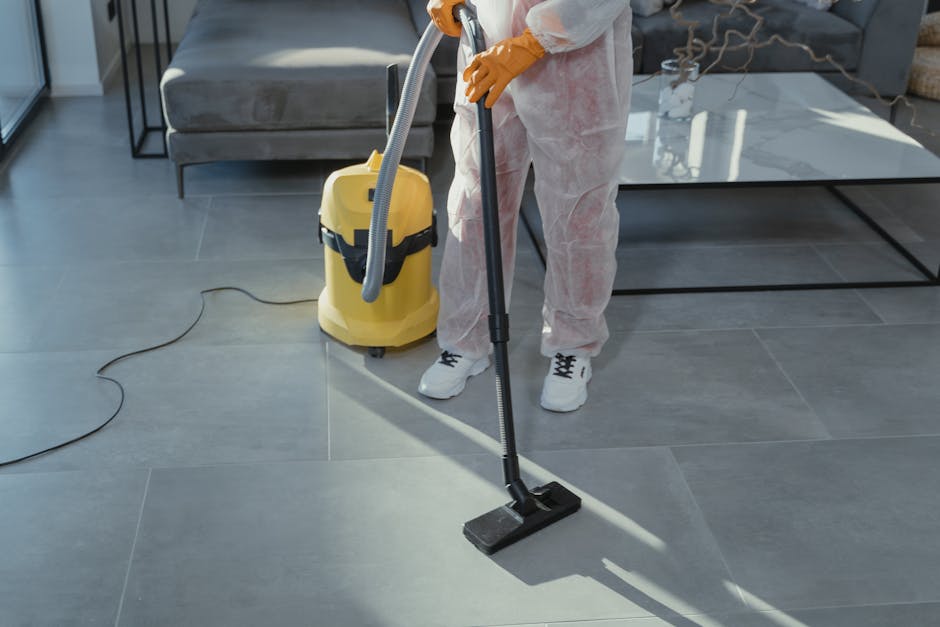
For customers looking at a wider refresh after an accident, other related options may also be relevant. A deep cleaning visit can support a full reset of a tired property, while one-off cleaning can help when the issue is part of a bigger mess rather than a single stain. If you are in a rental turnaround, end of tenancy cleaning is often worth considering too.
Law, Compliance, Standards, or Best Practice
For carpet cleaning in the UK, the most important point is simple: work should be carried out safely, with suitable products and sensible care for the property, occupants, and technician. There is no single universal rulebook for every stain, but good practice matters. Businesses should also consider insurance, safe handling of chemicals, and clear communication about what the cleaning can and cannot achieve.
If you are a tenant, report damage promptly if your tenancy agreement requires it. If you are a landlord or managing agent, documenting the issue early can help with maintenance planning and reduce disputes. For commercial premises, you should think about slip risk while an area is drying, especially in entrances, corridors, and shared spaces.
Reputable providers should be transparent about expectations, limitations, and safety. That includes being clear when a stain may improve but not disappear entirely. Carpet fibre type, age, prior cleaning attempts, and the nature of the spill all affect the result. Honest guidance is part of best practice, and it saves everyone hassle later.
If you want to know more about company standards, it is sensible to look at pages covering insurance and safety as well as the health and safety policy. For people comparing costs or planning a job, the pricing and quotes information is also useful. Those pages help set expectations before anyone arrives with hoses, solutions, or a rather determined-looking machine.
Options, Methods, or Comparison Table
Not every stain needs the same approach. Here is a simple comparison of common methods you may hear about.
| Method | Best for | Strengths | Limitations |
|---|---|---|---|
| Blotting and spot treatment | Fresh spills and small accidents | Fast, targeted, low disruption | May not fully remove deep or old stains |
| Hot water extraction | Wider cleaning and many common stains | Thorough, effective on embedded dirt | Needs drying time and careful fibre handling |
| Low-moisture cleaning | Delicate situations or limited drying windows | Quicker turnaround, less saturation | May be less effective on heavily soiled carpets |
| Enzyme treatment | Organic stains such as food, pet accidents, or bodily fluids | Breaks down odour-causing residue | Needs the right contact time and proper follow-up |
| Solvent-based spot removal | Grease, oil, adhesive-like marks | Can lift stubborn residue efficiently | Must be used carefully to avoid fibre or dye damage |
For many emergency jobs, a combined approach works best. A technician may pre-treat the stain, extract it, then check the result once the area starts drying. That layered approach is often more realistic than expecting one miracle product to do everything. Carpet, unfortunately, does not read the label.
Case Study or Real-World Example
A Bermondsey resident returned home on a wet weekday evening and knocked over a mug of milky coffee in the living room. The carpet was a pale neutral colour, the spill spread quickly, and there was just enough time for the liquid to sink in before panic set in. The first instinct was to rub with a tea towel. Fortunately, they stopped after a few seconds and switched to blotting.
The area was kept clear, the stain details were recorded, and emergency carpet cleaning was arranged for the same day. On arrival, the cleaner checked the fibre type, used a targeted pre-treatment, and extracted the stain in stages rather than forcing it. A faint mark remained at first, but after drying it lightened significantly. The room was usable again that evening, and no replacement was needed.
That sort of outcome is fairly typical when the right steps are taken early. Not every stain disappears completely, and it would be misleading to promise that. But a quick response usually improves the final result a great deal. That is the honest version, and honesty matters.
Practical Checklist
Use this checklist if you have a sudden stain and need to stay calm long enough to act properly.
- Identify what spilled, if possible
- Remove solid debris gently
- Blot with a clean white cloth
- Do not scrub or over-wet the area
- Keep shoes, pets, and children away
- Avoid mixing household chemicals
- Note any products already used
- Ventilate the room if safe to do so
- Arrange urgent professional help if the stain is large, smelly, or stubborn
- Allow full drying before replacing furniture
Quick reassurance: if you do not know exactly what the stain is, that is okay. A good cleaner can still make a sensible assessment. The key thing is not to guess wildly with random products.
Conclusion
Emergency carpet cleaning in Bermondsey is really about fast, careful decision-making under pressure. A stain that looks disastrous at first can often be reduced dramatically with the right response, the right timing, and the right cleaning method. Whether you are dealing with a spilled drink, a pet accident, muddy traffic, or a surprise mark before guests arrive, the main goal is the same: protect the carpet, protect the room, and get life back to normal without creating a bigger problem.
For many people, that means acting quickly at home and then bringing in professional help before the stain settles in. That sensible middle ground often saves time, money, and a fair bit of stress. And honestly, when the carpet is finally dry again and the room smells fresh, the whole place feels lighter.
If you are comparing options or planning the next step, start with a focused urgent clean, then build from there if the carpet needs deeper treatment. Get a free quote today and see how much you can save.
Sometimes the best result is not perfection on the first pass. It is simply stopping a bad day from becoming a bigger one.
Frequently Asked Questions
How fast should I act after a carpet spill?
As fast as possible. The first few minutes matter because fresh stains have not fully bonded with the fibres yet. Blot gently, avoid scrubbing, and arrange urgent cleaning if the stain is large or stubborn.
Can all carpet stains be removed completely?
No, not always. Some stains set quickly, some dyes are difficult to lift, and some carpets are more delicate than others. Good emergency cleaning often improves the stain significantly, even if it does not vanish entirely.
What should I do before the cleaner arrives?
Blot the area lightly, keep it dry rather than wet, and remove traffic from the space. Avoid using several products in a row. If you know what caused the stain, be ready to explain it clearly.
Is steam cleaning safe for urgent stain removal?
It can be, but not every stain needs steam immediately. The right method depends on the fibre type and the stain itself. Sometimes targeted spot treatment is the safer first step, with steam cleaning used later if needed.
Will emergency carpet cleaning help with pet odours too?
Often, yes. Pet accidents can leave both visible staining and odour in the carpet backing. A proper treatment plan may include cleaning plus odour-focused products. For more persistent issues, pet-specific treatment is usually best.
How long does it take for the carpet to dry?
Drying time varies depending on the method, ventilation, carpet type, and how much moisture was used. Some areas dry fairly quickly, while deeper cleaning can take longer. Good airflow makes a noticeable difference.
Is it better to clean the whole room or just the stain?
For an emergency, the stained area is usually treated first. If the rest of the carpet is also dirty, a fuller clean may be recommended afterwards. That depends on the condition of the room and how visible the contrast would be.
Can I use a supermarket stain remover first?
You can try a small amount if the product is carpet-safe and you test it carefully, but be cautious. Some stain removers bleach dyes or leave residue. If the stain is valuable, visible, or unusual, professional advice is the safer move.
What kinds of stains are hardest to remove?
Colour-based spills, grease, pet accidents, ink, makeup, and old set-in marks can be difficult. Heat, rubbing, and time all make the job harder, so an early response really helps.
Do I need emergency cleaning for a small stain?
Not always. A small fresh stain may be manageable with careful blotting and a mild approach. But if it is spreading, smells bad, or is on a light carpet in a prominent area, urgent cleaning may still be worth it.
What if the stain returns after drying?
That can happen when residue rises back to the surface from deeper in the carpet. It is sometimes called wicking. A follow-up treatment may be needed, especially if the original spill soaked through to the backing or underlay.
How do I choose the right cleaning service?
Look for clear communication, realistic expectations, and sensible safety information. A trustworthy provider should explain the likely outcome, the method they will use, and any limitations without making exaggerated promises.